
What Can I Control?
A reflection on a major life hack

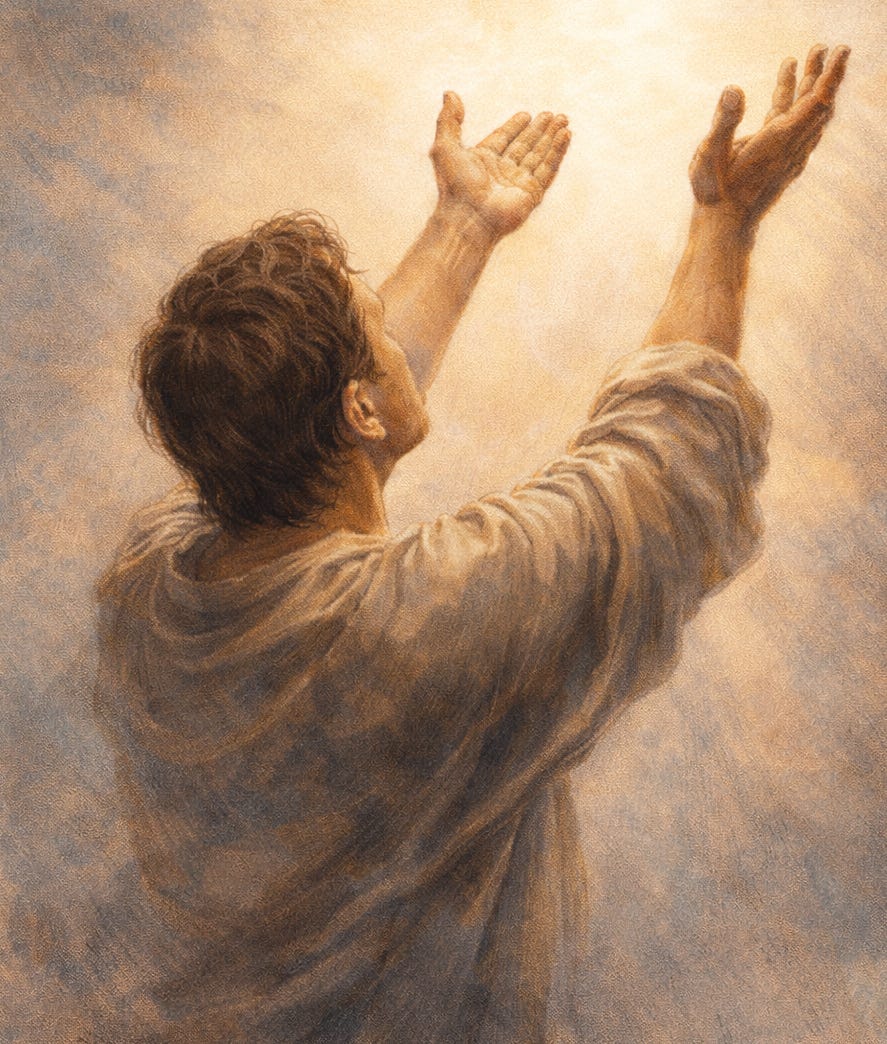
Every day brings many invitations to worry.
We might worry about our health and energy. We might worry about disappointing the people who rely on us. We might worry about world events. The heart stretches itself across large distances and tries to hold everything within it.
The Torah encourages a different perspective. In the laws of Shemitah and Yovel—the sabbatical and jubilee years—God declares ownership over land, over time, over people. Servants return home, fields lie fallow, property goes back to its ancestral family. This holds a powerful message that may initially unsettle us, with its firm boundaries around what is and is not in our purview, but it also provides us with respite: you need not control all things all the time. God says, “I am here and you can give it to Me.”
A free and effective person learns to distinguish between two fields. In one field stand the elements of life that I can genuinely control: the words I speak, the work I do, the way I treat the people around me. In the other field stand things like outcomes: the response of other people, the success of my plans, how long until my bananas go brown.
Confusion between these fields drains us. All the energy we put into things we can’t control comes at the expense of things we can. When we focus on what we can control, we are far more resilient and adaptable than those who focus on what they can’t control.
When we focus on what we can control, there is always an action we can take to put ourselves in a better position. When we focus on things we can’t control, we tend to freeze, unsure of what to do, and we wait and ruminate. At worst, we manipulate.
The Torah invites us to consider regularly the difference between these two fields. I take full responsibility for the space that truly belongs to me. I act with care, effort, and courage. Then I recognise the boundary where my reach ends, and I hand the rest, consciously, back to God.
One simple consideration can always help guide us: In this situation what lies in my hands, and what must I give to God?
The heart gains strength from the first part of that question and finds peace in the second.
I have been studying the Rambam’s Perush HaMishnayot on Abot and I also found a clear parallel with Stoic philosophy. Fascinating to see this framework within the Tanakh.
I really love your writings, Rabbi :))