
Pathways to Teshuba
Sephardic selihot and God's role in our path to repentance.

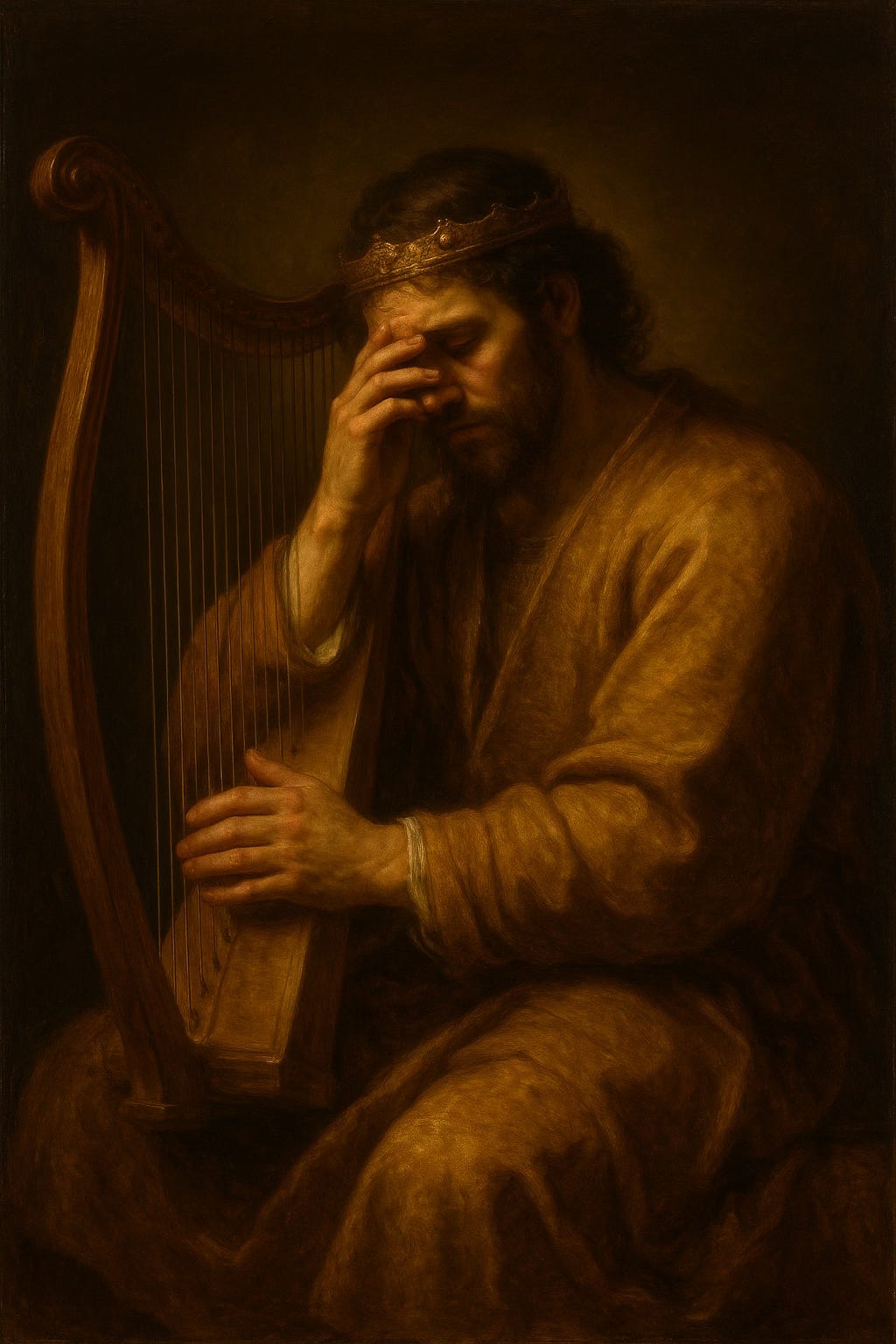
The seliḥot of the Sepharadim are a peculiarity. Historically, they are a relatively new practice. From the time of the Talmud through the writings of the early authorities, there is no mention of a full month of penitential prayers. Rambam, for example, writes that seliḥot are recited only between Rosh HaShanah and Yom Kippur1. In Hilchot Teshuba (2:6), he describes the period as a unique time in which the nation as a whole begins the work of return, but he makes no reference to the custom of beginning on Rosh Ḥodesh Elul.
Why then do Sepharadim begin their seliḥot thirty days earlier? The answer usually given2 is that these days correspond to the thirty days during which Moses beseeched God to forgive the people for the sin of the Golden Calf. But there is something deeper here that is more than symbolic. Rambam writes that before teshuba itself, there are darkhé ha-teshuba—pathways that lead to return. In his words (2:4):
מדרכי התשובה להיות השב צועק תמיד לפני האל ברוך הוא בבכי ותחנונים
Among the pathways of repentance is that the one who returns cries out persistently before God, blessed be He, with weeping and supplication.
The liturgy of Elul is not repentance itself. It is an embarking upon the path towards teshuba. It is our first cry for help before the Days of Awe arrive. On Rosh HaShanah the nation collectively begins its formal reckoning, but in the weeks before, the Sephardic tradition asserts that the heart must already be prepared for this reckoning through persistent cries to God.
What are we crying out for? The cry of seliḥot emerges from the recognition that there are elements of our lives we cannot master. We attempt control, again and again, and find ourselves unable to bring about the change we seek. These are the places of despair, of repeated frustration, where effort is exhausted and strength collapses. Every person has such places, though few dare admit them.
To admit them is to acknowledge a most difficult truth: that we cannot always manage our own lives. At such moments, the only path is to turn to a higher source of help. This is the meaning of Elul’s prayers. They are not the speech of self-sufficient individuals presenting apologies, but the voice of human beings bereft of control, asking the Creator of heaven and earth to open the way back toward life.
Moshe’s final command to Israel, ובחרת בחיים (u-baharta ba-ḥayim – “choose life,” Devarim 30:19), underlies this cry. To choose life is to insist on nothing less than flourishing, on living in the fullness for which we were created. When we recognize that we are blocked from such fullness, and when repeated attempts at repair have failed, the only choice is to appeal to God to expand the womb (רחם) of mercy (רחמים), raḥem ‘alenu—to open space for growth and renewal.
This is why the seliḥot repeat the refrain ‘Anenu again and again:
עננו אבינו עננו
‘Anenu Abinu ‘anenu – “Answer us, our Father, answer us.”
עננו בוראנו עננו
‘Anenu Bore’enu ‘anenu – “Answer us, our Creator, answer us.”
From the beginning to the end of the service, the supplicant insists that Heaven respond. Every name of God is invoked, every aspect of His greatness exalted, not as abstract praise but as a plea: if there is One who can truly help, let it be the Adir ve-Na’or (source of strength and light), Boḥen Levavot (the searcher of hearts), Goleh ‘Amukot (the revealer of depths).
The language itself presses beyond ordinary petition. Raḥem ‘alenu—“have mercy upon us”—derives from reḥem, the womb. The metaphor is striking. Just as the womb expands to make space for life to develop toward wholeness, so does Divine mercy open space for us to become whole. The Sephardic seliḥot are about this urgent plea for growth: make space within us for life to flourish, for the blocked places of our existence to open.
The difficulty of this recognition cannot be overstated. Many believe that it is a cop-out. If we created our problems, should we not be responsible for repairing them? Yet as Einstein observed, “We cannot solve our problems with the same thinking we used when we created them.” The very instrument with which we attempt to think our way out is the one that led us astray in the first place. We find ourselves circling in the same patterns, unable to break free. At such a point, the only honest response is to cry out for help beyond ourselves.
This is why Rambam insists that one who seeks return must cry out tamid—always. The cry must be real, born of an authentic awareness that the self cannot untangle the knots it has tied. It is insufficient to wish that one might desire help. One must genuinely desire it. To “want to want” is still resistance; true repentance requires the courage to acknowledge need without reservation.
This call echoes through the psalms of David, particularly Psalm 51, composed in the aftermath of his transgression with Batsheva:
לב טהור ברא לי אלהים ורוח נכון חדש בקרבי
“Create for me a pure heart, Lord, and renew within me a steadfast spirit.”
David does not ask for techniques to purify his own heart. He does not attempt self-surgery. He pleads for the Master Surgeon to act, for the Creator to recreate him from within. Later in the psalm he utters the words that have become part of our daily prayer:
אדני שפתי תפתח ופי יגיד תהלתך
“My Lord, open my lips, and my mouth will speak Your praise.”
In recognising his own self-imposed difficulty, David asks God to open his mouth for him, so that his praise may be sincere.
This psalm resonated far beyond the borders of Israel. In the seventeenth century, Gregorio Allegri set it to music in his Miserere3. For centuries it was sung exclusively in the Sistine Chapel, guarded as a treasure. At the heart of the composition, the soprano ascends to a high C—a note that seems to pierce the heavens. The music enacts the cry of the soul reaching beyond itself, insisting, “I cannot; You can.” That soaring note is the sound of seliḥot, of humanity’s voice straining upward with tears and supplication.
The Sephardic tradition, in its encouragement of thirty days of such cries before the Days of Awe, affirms this truth: our lives are lived in covenant with God. Our responsibility is real; our choices matter. Yet when we confront the intractable, our responsibility includes the willingness to admit need. To know when to call on Heaven requires humility, courage, and honesty.
Each refrain carries the conviction that human beings were created for life in its fullest sense, and that God is both willing and able to sustain that life. We acknowledge the places we cannot mend, and place them in the hands of the One who can. In that recognition, prayer becomes more than words; it becomes a lifeline, a bridge between frailty and hope. And in that bridge, life begins anew.
Hilkhot Teshuba, 3:4.
Tur/Shulhan Arukh, O.H., 581:1.
Toda
Thank you for the article and the audio — it brought the words to life !